

LIPSTICK, ON
waxy compacts, smeared powder, and the lingering specter of 20th century femininity

This piece is concurrently published in Heart Note Press for fragrance criticism. Read here.
“The first time I wore lipstick, I wore it as a wound. Later I wore it on my lips in order to say: what if I were beautiful? But lipstick never forgot its first meaning: instead of a razor blade.” (Aurora Mattia, The Fifth Wound.)
It’s taken almost three years to begin publishing a series that could be considered the main thesis of much of my career as a burgeoning critic of the perfume industry at large. In many ways, I often feel bludgeoned into inaction by the immensity of the intellectual daisy-chains sprouting out from my myriad of ideas about perfume that smells like lipstick. Powdery scents served as my primary introduction into not only collecting niche fragrances, but also to thinking profoundly about scent as a medium and affective culturing dish. I owe much of this initial interest to the writing and career of the wonderfully talented Matt Morris, whose Fragrantica criticism and mixed-media painting, convalescing around lipstick and powdery texture, first gave me tremendous faith in perfume criticism as a contemporary form with a great deal of intellectual rigor. Since the initial surge of interest in niche fragrance post-pandemic, I find the landscape of content online is mostly catered toward beginning and intermediate levels of fragrance knowledge. This is, of course, completely fine. To put it compassionately, there’s a much-needed space in the world for people to talk about fragrance who aren’t necessarily interested in dissecting its intellectual context; I just think that as critics, we hold a responsibility to indicate to that public that a more sophisticated substrata of consumption does indeed exist. This new perfume criticism, as I would envision it, is less concerned with perfume as a commodity and more invested in considering it an allusive and transitory medium alongside high fashion, sculpture, and painting. Mind you, fashion, sculpture, and painting are also extremely bloated industries filled with slop sold to make the rich richer and delineate luxury in the name of mere decoration. This fact does not negate the presence of sparks of real, true creativity within the medium, nor does it inherently degrade the degree to which we as informed prosumers can muse about symbols and meanings behind these works of art. I am talking about the creation of things which do not simply complement a space, but define it. The difference between a room housing a generic wall painting bought from Amazon – refracting stale echoes of 20th century abstraction to say nothing in particular so quietly it never speaks over the space itself and a piece by an artist as visceral as Francis Bacon, is palpable. I believe these distinctions also exist in perfume. There is perfume designed to pleasantly fit into a crowd, and there is perfume designed to stir the cloudy and duplicitous wiles of the human heart.
It is perfume that smells like lipstick which first brought my own heart to considering niche fragrance in tandem with such a lofty ideal. It’s something I had quite a long love affair with, and had burnt myself out writing about on Twitter (R.I.P) so often that in the last three or so years I subconsciously shifted my locus of obsession into church incense perfume, but in private my love of powdery scents has never, ever wavered. Something about the sheer fascistic delirium of the present political moment, however, has me retreating back into hyper-femme fantasies, and as I am now a devout Episcopalian girl altar-boy, the concept of smelling like dusty incense is less of an exotic aspiration and more of a lived reality. Lipstick, however, is still as far as it comes from my daily life. Despite what some might assume, I am indeed too much of a killjoy women’s lib feminist for my own good, and lipstick has always felt like a statement accessory for people with less insecure inhibitions and without paper-thin white girl lips. I’m not really interested in deeming certain aspects of the beauty industry feminist or not feminist, and I do believe that the critical mind should be able to straddle my love for Dworkin with my plans to get a boob job this summer – so when I say that lipstick is often a gaudy accessory, know that this word contains the vast depths of both complementary and disparaging connotations. That said, I think tasteless, camp, over-explicated attempts at enacting glamour are some of the most beautiful things in the world. I think this human sort of failure to correctly perform gender roles is Butlerian and virtuous inasmuch as it reveals the rigid boundaries of how gender is created and enforced. To me, the most enticing applications of lipstick consider it a tool for disruption and general mischief-making. I think of some of the ways in which women’s appearances are disparaged (“putting lipstick on a pig”), and the ways in which makeup designed to disguise its own presence (of which I am a tacit consumer) has won over the women of the world at the cost of the romance of visible artifice. While my own lips generally stay coated in generous globs of Trader Joe’s knockoff Laneige Lip Masks, or for special occasions don the cheapest gloss I can find at CVS, I am forever endeared to the idea of lipstick as a ritual, connecting women with the paradoxical yet endearing fantasy of becoming something wholly different from oneself. In this sense, what lipstick perfume does for me lies somewhere in between homosexual fussy-femme wiles and heterosexual theory put into practice.

When used in fine fragrance, cosmetic powder accords are usually comprised of a trifold blend of rose, iris, and violet. Tweaking any one of these ingredients to a higher dose than the others brings out certain facets of the accord. An iris-forward blend will smell more powdery, a violet-forward blend more sweet, and a rose-centered formula will give more of a classical chypre effect. What my personal favorite lipstick perfumes are able to accomplish with any of these combinations is something more conceptual in nature. It’s fascinating to have a specific subset of cosmetics that smell like other cosmetics. It’s almost as if the boundary between signifier and signified has collapsed, and the thing that refers to something else is finally enabled to smell like itself. I touched on this concept years ago in an earlier investigation into perfume that smells like water – which plays by a similar set of funhouse rules. That said, lipstick and makeup smells distinguish themselves in enabling the wearer to fully inhabit glamorous fantasies of becoming someone else. All perfume can serve to construct alter egos and reify the boundaries of the self, but when you smell like waxy compacted powders, the inherent performativity of how we fabricate identity at all is placed front and center in the femme psyche.
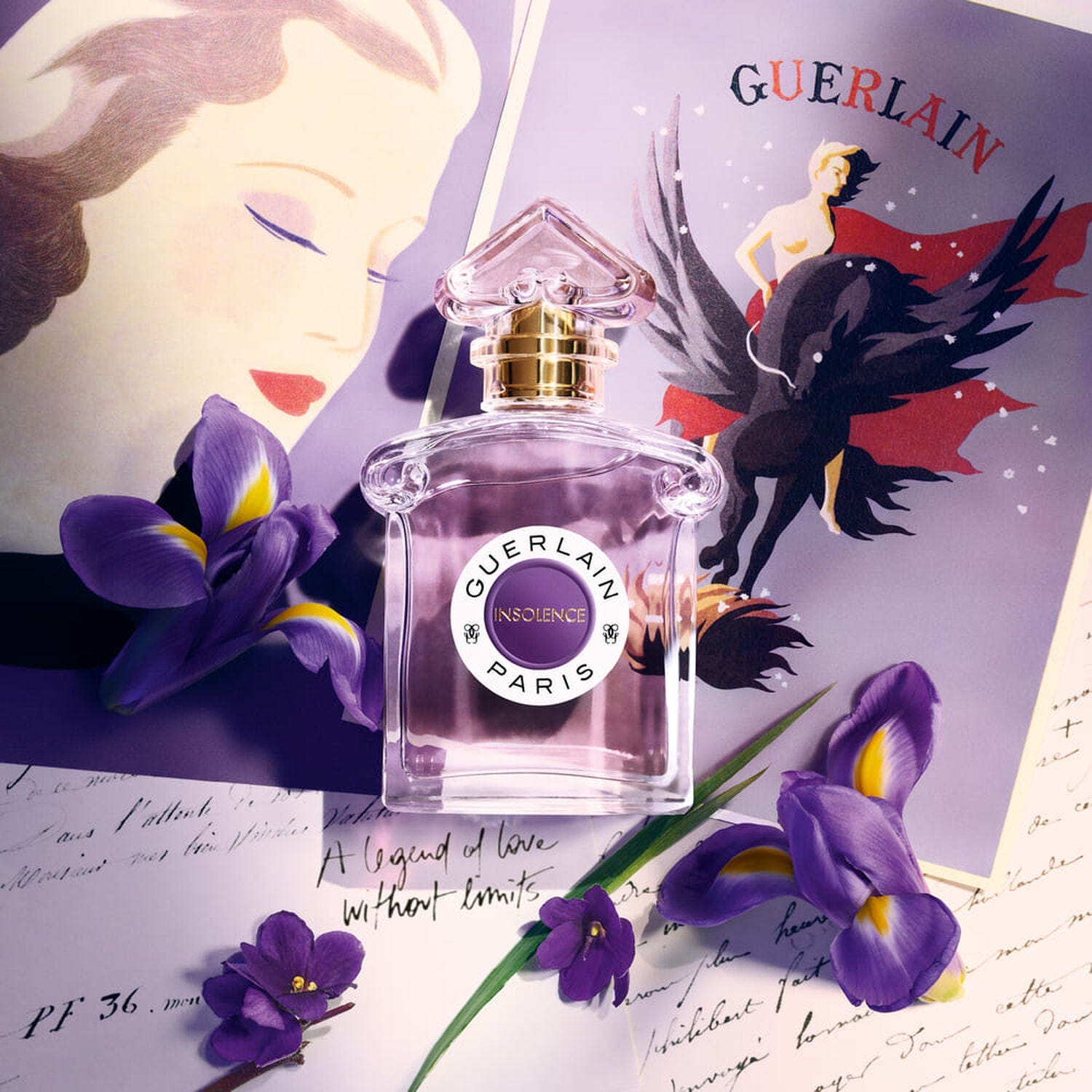
One of the first fragrances to do this to me was the delicate and lovely Insolence EDT from Guerlain. Quite literally named in tribute to bratty defiance, this was Guerlain’s confusing attempt to spear the marketplace of the Early Aughts teenage girl. It’s laughable now to imagine high school girls smelling like dry chalky powder bombs, but the brand vision was certainly so sophisticated that Mitsouko-wearing mothers felt as if, for the first time, they could put their children on to the immortal house of Guerlain. Insolence is consequently a strange sort of monster. With one of the strongest sillages I’ve ever encountered on skin, five sprays of this bright purple-pink liquid chokes out most octogenarians in your vicinity and transforms your immediate surroundings into an icy cold boudoir. More so than other fragrances of its ilk, this is great to wear in cold weather. It has a fierce vivacity that is able to cut through harsh winds and bitter freezes. A very long time ago, when I was first getting into perfume, I posted that this fragrance smells like fairy makeup. This is still true, but it also smells like bright-colored sidewalk chalk and eating the erasers off your number two pencils. I don’t find Insolence as regal or sultry as I do other powdery fragrances. The main note here is violet, which is, to my knowledge, generally the least common note to spotlight of the aforementioned lipstick accord triumvirate. Violet is a wily smell. Associated with lesbians, the Virgin Mary, and innocence, its floral symbology is rich and associative. It’s not very realistic here. Instead, perfumer extraordinaire Maurice Roucel (of Frederic Malle fame) casts it in a plasticine coating and an ultra-chalky veneer. Insolence is PICA exposure therapy for boarding school bratty children and the European mothers who tolerate them. Wear it to bed, or to a prestigious job interview you didn’t prepare for, to make it seem like you’ve never worked a day in your life.
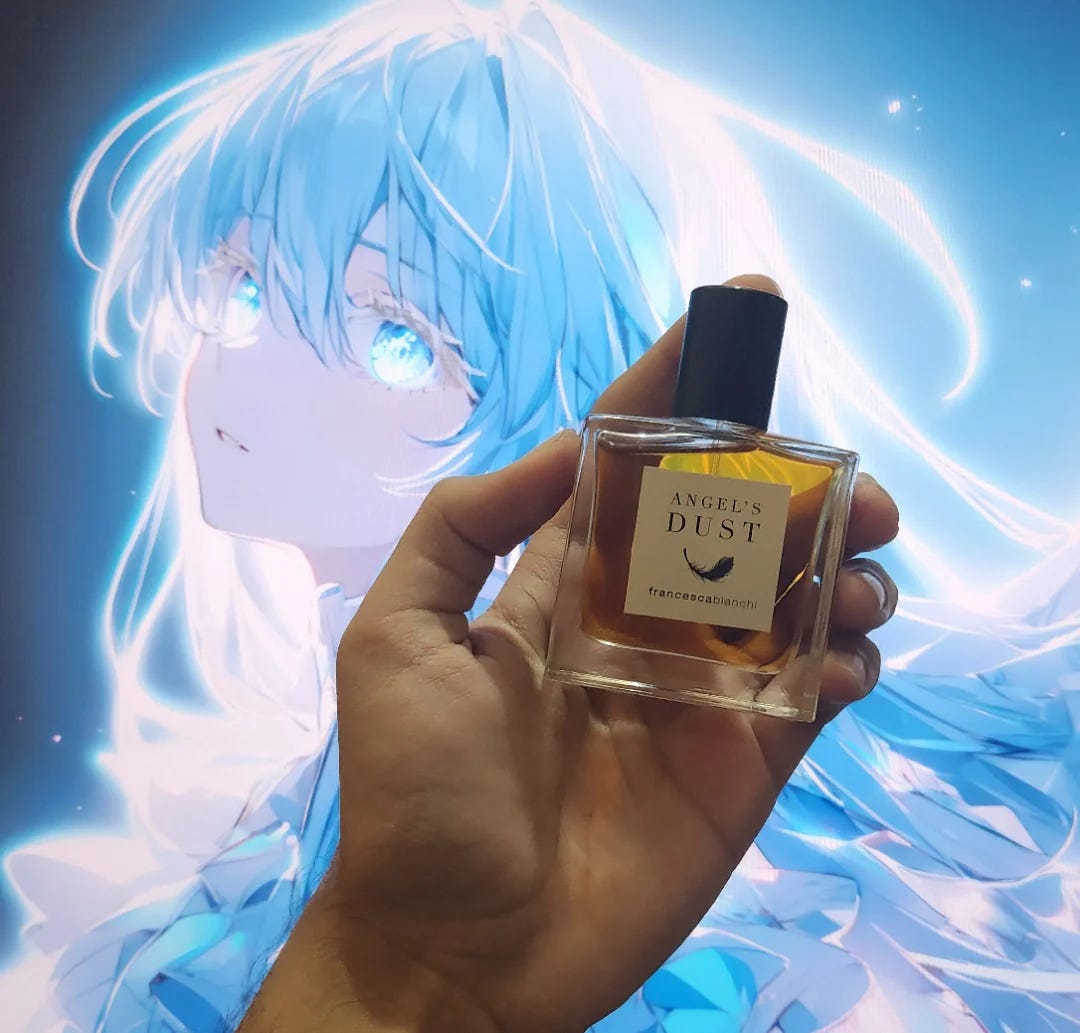
The Italian perfumer Francesca Bianchi is best known for her unmistakable animalic compositions. Rightfully so, because fragrances like The Dark Side and Sex and the Sea are masterpieces. What she does best in my eyes is the balancing of notorious animalic accords like castoreum and civet with more approachable perfume hearts: orris, pineapple, or honey. My favorite work of Bianchi’s, Angel’s Dust, is a bit of an anomaly in her broader oeuvre. Inspired by an imagined scene, this carries the typical Bianchi DNA, but applies it towards creating a lipstick fragrance altogether sensual and full-bodied. Its copy reads: “In a dusty boudoir of bygone times, a mistress is putting on lipstick while waiting for her lover to arrive.” This sense of preparing oneself for an intimate encounter is an essential sexual component of lipstick. It’s something you wear to attract, to seduce – but often the fragrances themselves speak to the preparation done beforehand. The materialistic beauty rituals of women are themselves extremely loaded performative battlegrounds where heterosexual desire is negotiated, formulated, and often challenged. Angel’s Dust is perhaps the heaviest of my lipstick fragrances, its weight coming from a musk-sandalwood base and a balsam-vanilla heart. Wearing on skin like a situation, it casts an immense cloud that beguiles and intrigues. It bothers me that a significantly less imaginative ISO-E super bomb has made the name Angel Dust famous. To me, this is the one and only dust wrought from cherubim. Think amber-powdery; this combines the best parts of classic fragrances like Shalimar into a more modern boudoir-banger that smells of dry chalk, honeyed mimosa, antique waxed wood, and indolent iris.
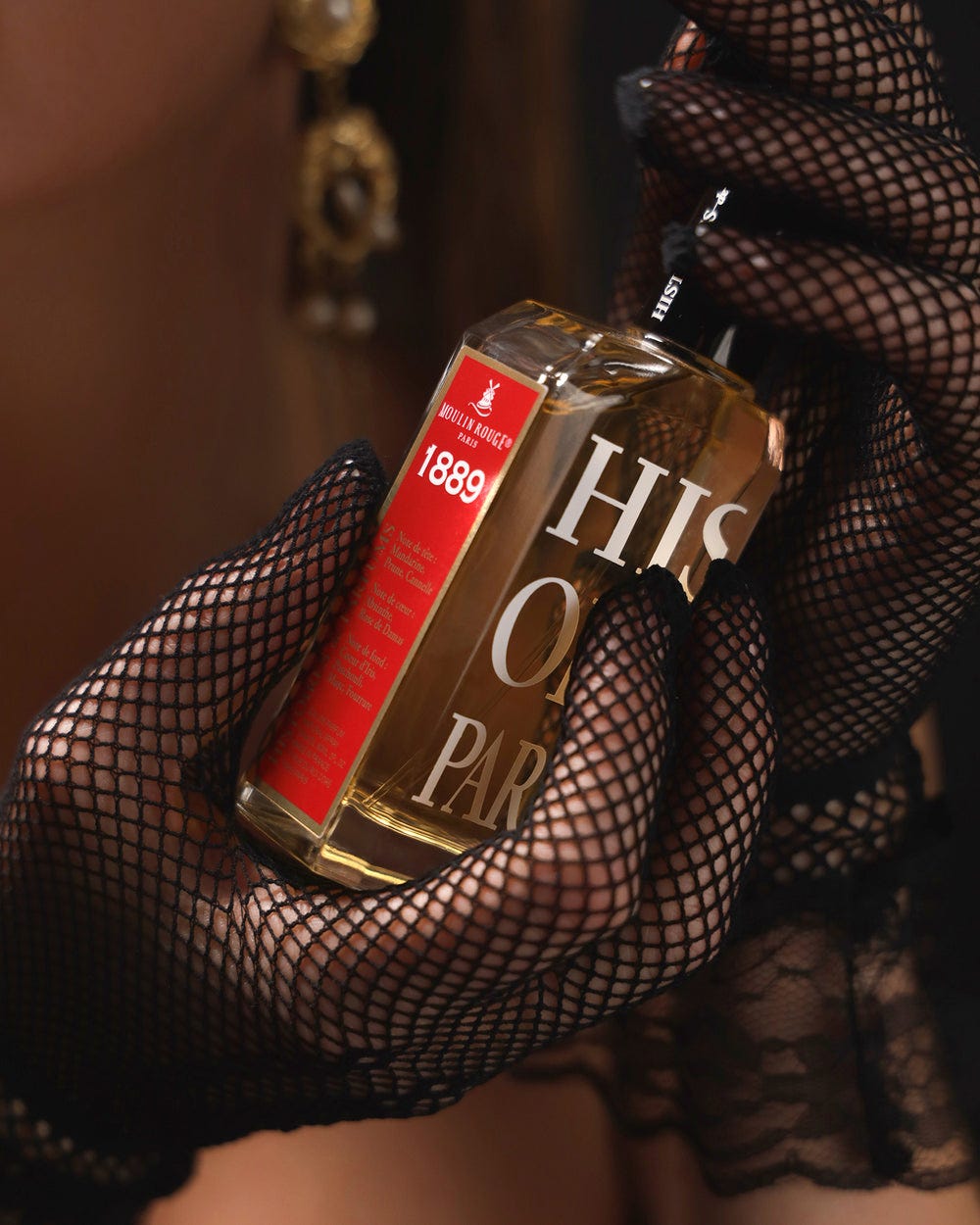
Arguably, one of the most versatile and well-rounded lipstick scents is 1889 Moulin Rouge by Histoires de Parfums. To me, this is the paragon of a trashy, weird lipstick perfume – lacking in very little and handily delivering on most aspects of why cosmetic accords appeal to me. Inspired by the iconic Montmartre cabaret and emblematic of its red windmill design, this composition sparkles with a hefty dose of purple plum and absinthe. Despite its namesake, this fragrance doesn’t feel as inherently vintage as something like Sixteen92’s Montmartre, but carries the same sort of sugared-sweet jollity. Maybe one of the least violet-forward entries in this catalog, the aforementioned cosmetic cloud is made from rose and iris, making it feel much more fruity, yielding its substantial heart to the prominent plum accord. Half-gourmand, half-floral, this isn’t overly mature or self-serious and reads more like a cartoon vignette of seduction and fin-de-siècle sleaze, akin to its equally gorgeous, versatile, and foul-mouthed twin Putain des Palaces. I think for someone looking to get into powdery perfumes, this is extremely wearable, and can be bought for a pretty affordable price on secondhand markets. There is only a hint of mushroomy, wormwood underbrush here, which ultimately prevents it from entering mass-market body spray territory. It’s a gorgeous bottle and would look very pretty squared neatly into a collection of Creed Absolu Aventus and other boring no-frills fougère powerhouses that are clearly missing something wide-hipped and sexy to heat up the joint.
Speaking of mushroomy, Baruti’s Dama Koupa is utterly insane, and bears a drydown that smells like chewing on play-dough squatted on all fours over a pile of manure. This is, without a doubt, the perfume here with the largest and most beguiling sillage. I wear it as an extrait, and genuinely, this still smells on my coats and blouses even after washing them. Almost entirely iris, vanilla, and a pink macaron cookie accord, this is hyper-saccharine and neon Gatorade blue. What I love about this fragrance is how utterly screeching and repulsive it is to men. At their best, really powdery maternal fragrances can terrify men looking to smell women who evoke sexy babies–entirely rounded, prey-like, and non-threatening. This is an alpha female scent, one that signals to everyone in its immediate radius that you’re a bitch who gets what she wants, and you aren’t going to pluck the three wiry gray hairs that sprouted up on the back of your head last year. In a world of perfumes designed to make people smell forever young, powdery perfumes proclaim that smelling like your grandma is beautiful and that she was a fashionable woman with good taste, thank you very much. This isn’t actually anything close to what perfume used to smell like in the 20th century, but it has all the hallmarks of fragrance made to evoke subtle fantasies of powder-puff décolletages, only this isn’t subtle. It will choke out anyone old enough to actually remember firsthand stories about The Ziegfeld Follies and what Coty products they were actually wearing. Spray with abandon, and descend upon your hometown Sephora like a dark omen.
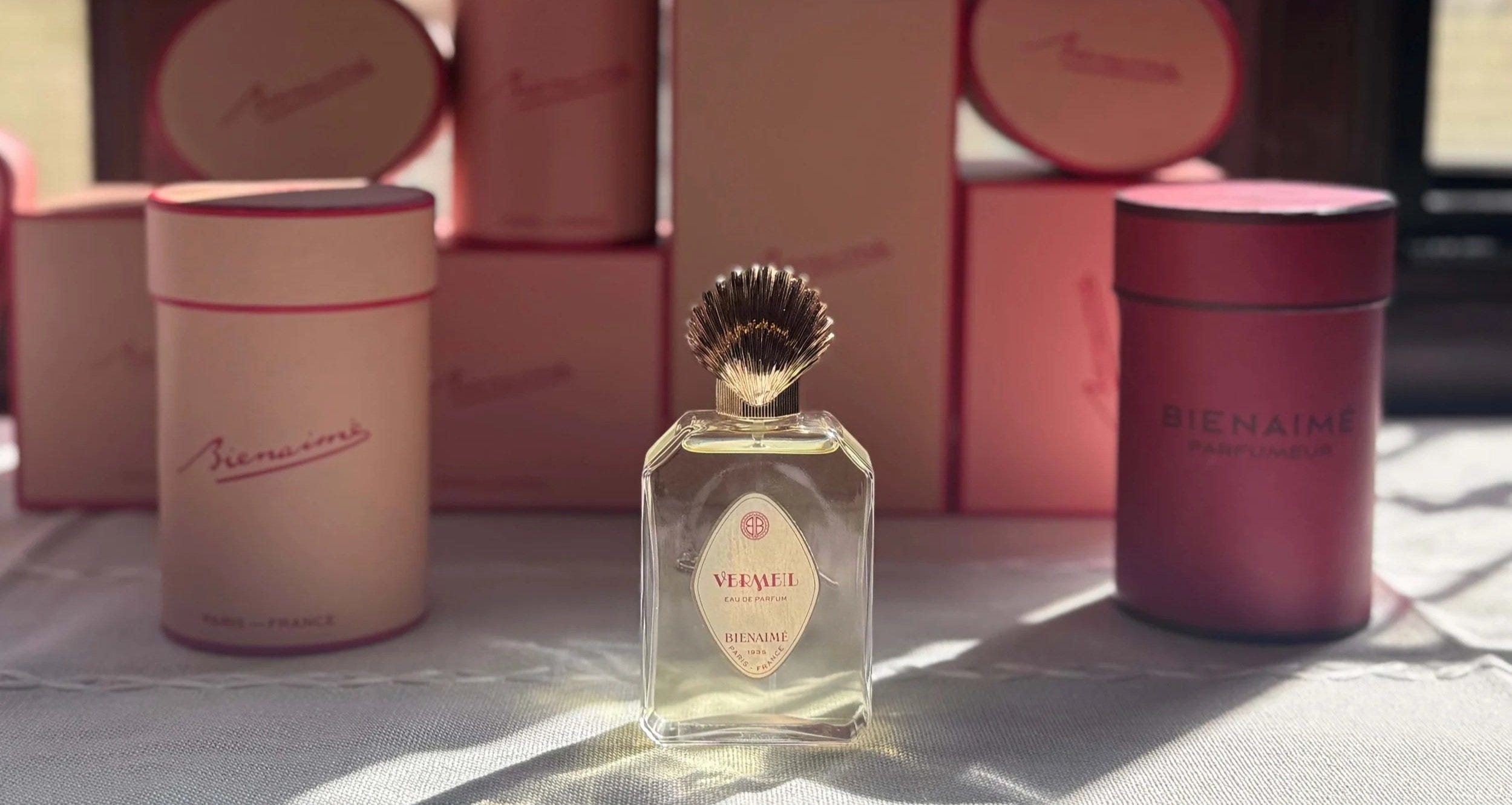
Perhaps the platonic ideal of a lipstick perfume, Vermeil by rehabbed vintage French luxury brand Bienaimé, literally smells like a tube of green Clinique lipstick given to you by your well-meaning grandmother. The design here is gorgeous, harkening back to the 20s-era art-deco and preserving names of actual releases the house put out from that era. I love the idea of reviving vintage brand names with an entire lineup of powdery scents, soaps, and creams. The team behind Bienaimé has done just that. Everything here smells nostalgic, sparkling, orris-laden, and oh-so 20th Century. I enjoy Jours Heureux, but without a doubt, Vermeil is the collection’s shining Bleu Royal diamond. Carrot seed, aldehydes, and rice powder read like a laundry list of some of my favorite things in life. Supplemented by the whole gamut of iris, violet, and rose, it contains nearly everything needed to evoke a waxy, powdery, and cosmetic slurry. Like Dama Koupa, this doesn’t actually smell like something from the 20th Century, but rather smells itself like the action of looking back at its trappings and atmosphere through a caricaturized pair of rose-tinted glasses. Perhaps the most fatty and waxy fragrance herein mentioned, there’s a genuinely addictive sort of chalky, crumbly characteristic here that scratches the part of my brain that loves eating de la Rosa Marzipan by the round. Carrot seed, heliotrope, and aldehydes each contribute their own essences to the composition. It feels extremely composed and forms one living, breathing lipstick accord more fluently than most boudoir-inspired perfumes I’ve come across before. Quite pricey for a full-size bottle, I do think this product justifies its own cost. You’re not necessarily paying for a name, but for a revitalized archive. Something once beautiful, that has become beautiful again – but different. Isn’t this the story of glamour itself? The appeal of reaching for beauty tools seen as outdated, relegated to grandmother’s closets and estate sale backrooms. Spray, inhale, and bring this half-living specter back to its full vivaciousness. Like Madeline in Hitchcock’s Vertigo, this is a fleeting persona you’ll chase after for the rest of your life.
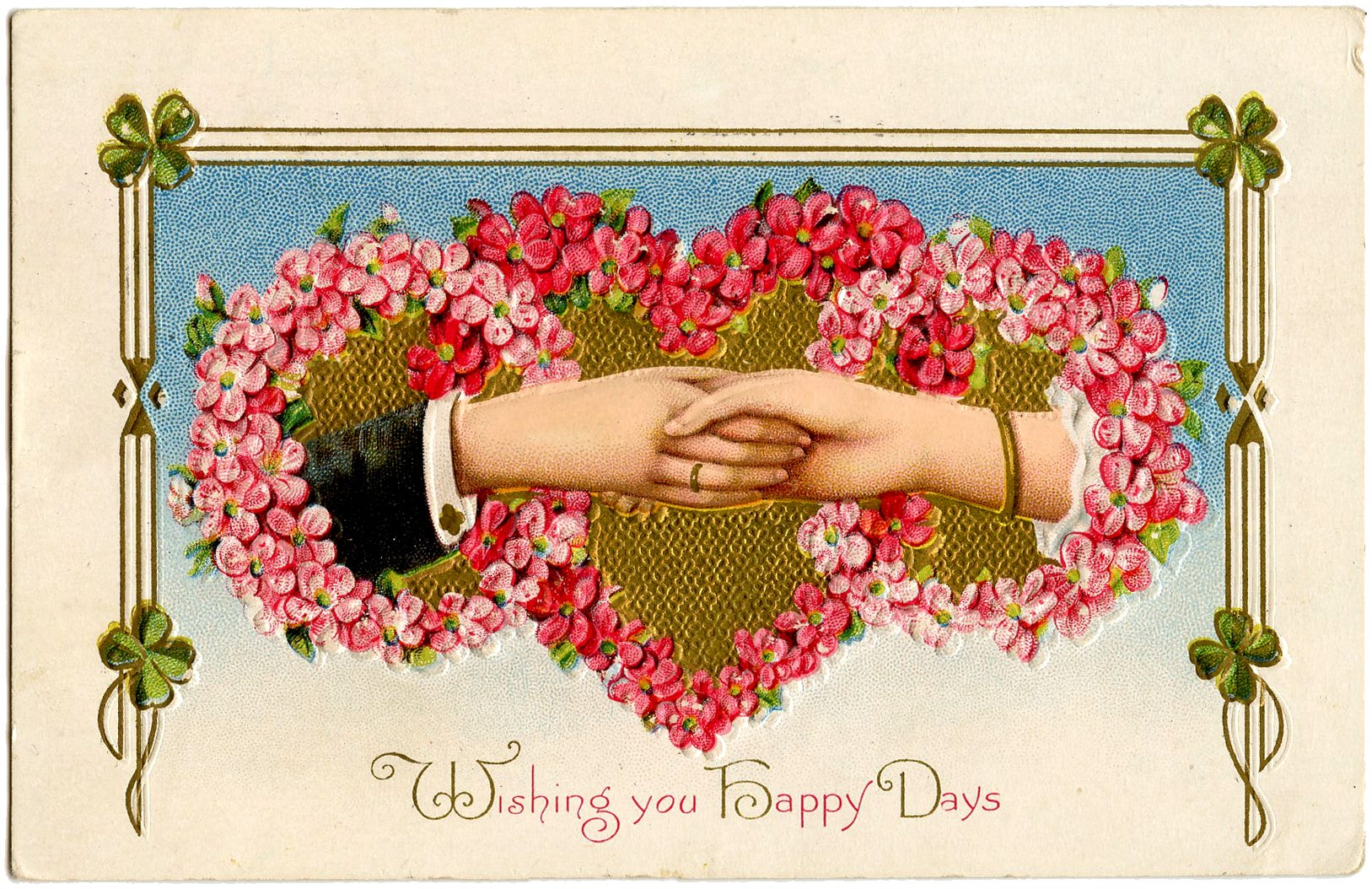
I think Valentine’s Day is a lot like dying from Tuberculosis – it used to be a lot more fun in the 19th century. As much as the high-femme pageantry of what the holiday has become in the present day speaks to my aesthetic sensibilities, the lace and cherubim of old Valentine’s cards are, in my mind, the peak expression of the February spirit. It’s a weird sort of cabinet-of-curiosities style of design, reminiscent of the psychosexual vicissitudes of Jeff Mangum’s lyrical worldbuilding and the art used for his album releases. This is, to me, the true spirit of Valentine’s Day, one that I feel is reflected wholesale in one of my favorite fragrances of all time: Rundholz Parfums’ Feb. 14, 1912. Its name feels like a sort of evocation, of lost loves and a specific moment in history. Known for their experimental dying methods and asymmetric clothes, this fragrance was released as part of a broader series exploring wholly experimental takes on incense accords, each given the name of a different day in either the past or the future. This is the earliest date enshrined into fragrance, and it certainly has the most dated atmosphere. Think sideshow laws of attraction, a rendezvous with the meek middle child of four country girls at the world’s fair. Somehow both matronly and reminiscent of bittersweet memories of the old world. There is no one centerpiece note – the composition is defined by generous suppertime helpings of licorice, milk, incense, and a relevant lipsticky orris butter. At its core, this fragrance could be called a breastmilk incense powder-bomb. Anise Avon body powder gives way to a lactone-laden drydown core, savory yet oh-so comely. Its most unique facet is fennel. Aniseed and tarragon blush swollen against the very earth itself. This fragrance is powdery, spicy, and velveteen. Its Maison is quoted as saying: “THERE ARE NO HARD AND FAST RULES ABOUT FEB.14, 1912. PRECIOUS MOMENTS REMINDING OF ANCIENT SILKY BOUDOIRS, OFTEN KISSED SKIN AND LEATHERY FETISHES.” It seems to me from the beginning this scent was intended to seduce, labyrinthine in its complexity yet beguiling in its old-world romanticism. It isn’t necessarily a historic scent and doesn’t carry the same sort of legacy as its predecessors– Après L’Ondée being its great-great-grandmother. Arturetto Landi is the perfumer behind Rundholz’s entire fragrance line and seems to have composed all of his fragrances for the label at the same time. Having worked on the development of other fragrances for left-of-practical fashion houses like Diesel, his herbal and aromatic style seems to lend itself quite easily to evoking nostalgia and the uncanny. This fragrance is a meager recession dinner of roasted vegetables at her German immigrant parents’ home. Coral lipstick stains the silver prongs of her fork. This is the night you’re going to ask her gangly father, sitting across the table, for his blessing. You touch your worn leather loafers to her stocking-lined leg under the table. She smiles a crooked smile, lips smeared in bright red. You’re going to make love tonight. This lasts all day on skin. You will never smell anything like it again.
‘Eat your Lipstick’ is a perfume blog by Audrey Robinovitz, @foldyrhands
Audrey Robinovitz is a multidisciplinary artist, altar girl, and self-professed perfume critic. Her work intersects with the continued traditions of fiber and olfactory arts, post-structural feminism, and radical orthodox theology. At this very moment, she is most likely either smelling perfume or taking pictures of flowers.
you’re incredibly gifted with words
Ugh you are a GENIUS and I love love love reading your writing <3